
Quick way to grow 5 image to prompt image fx
What if you could transform static visuals into dynamic AI prompts—unlocking limitless creative iterations in seconds? In a world where visual content drives engagement, businesses and creators face mounting pressure to generate high-quality media faster than ever.
This challenge has catalyzed innovations like image to prompt image fx technology, which leverages artificial intelligence to reinterpret existing visuals into editable generative prompts. This process supercharges workflows for designers, marketers, and developers by automating ideation while retaining artistic control over image fx outputs like stylization, filters, and semantic enhancements.
Core Concept / Technology Overview
Image to prompt image fx refers to AI systems that analyze visual inputs (photos, illustrations, or renders) and convert them into text-based prompts reusable in generative models like Stable Diffusion, DALL·E, or MidJourney.
Unlike traditional upscaling tools, these frameworks decode compositional elements—lighting, subjects, textures, colors—into descriptive language, enabling parameterized regeneration or modification. Advanced implementations integrate diffusion models and computer vision libraries (OpenCV, CLIP) to preserve context during translation.
For example, a product photo can become a prompt like “high-resolution sneaker with neon gradients, cyberpunk ambiance, 8K cinematic lighting”, which then generates variations adhering to brand guidelines.
Tools / System Requirements
-
- Cloud Compute: NVIDIA GPU instances (AWS EC2 G4dn, Google Cloud A2)
-
- Frameworks: PyTorch, TensorFlow, HuggingFace Diffusers
-
- APIs/SDKs: Replicate API, Stability AI SDK, OpenCV-Python
-
- Libraries: CLIP interrogator, BLIP-2, ControlNet
-
- Storage: S3-compatible buckets for asset versioning
Workflow & Implementation Guide
-
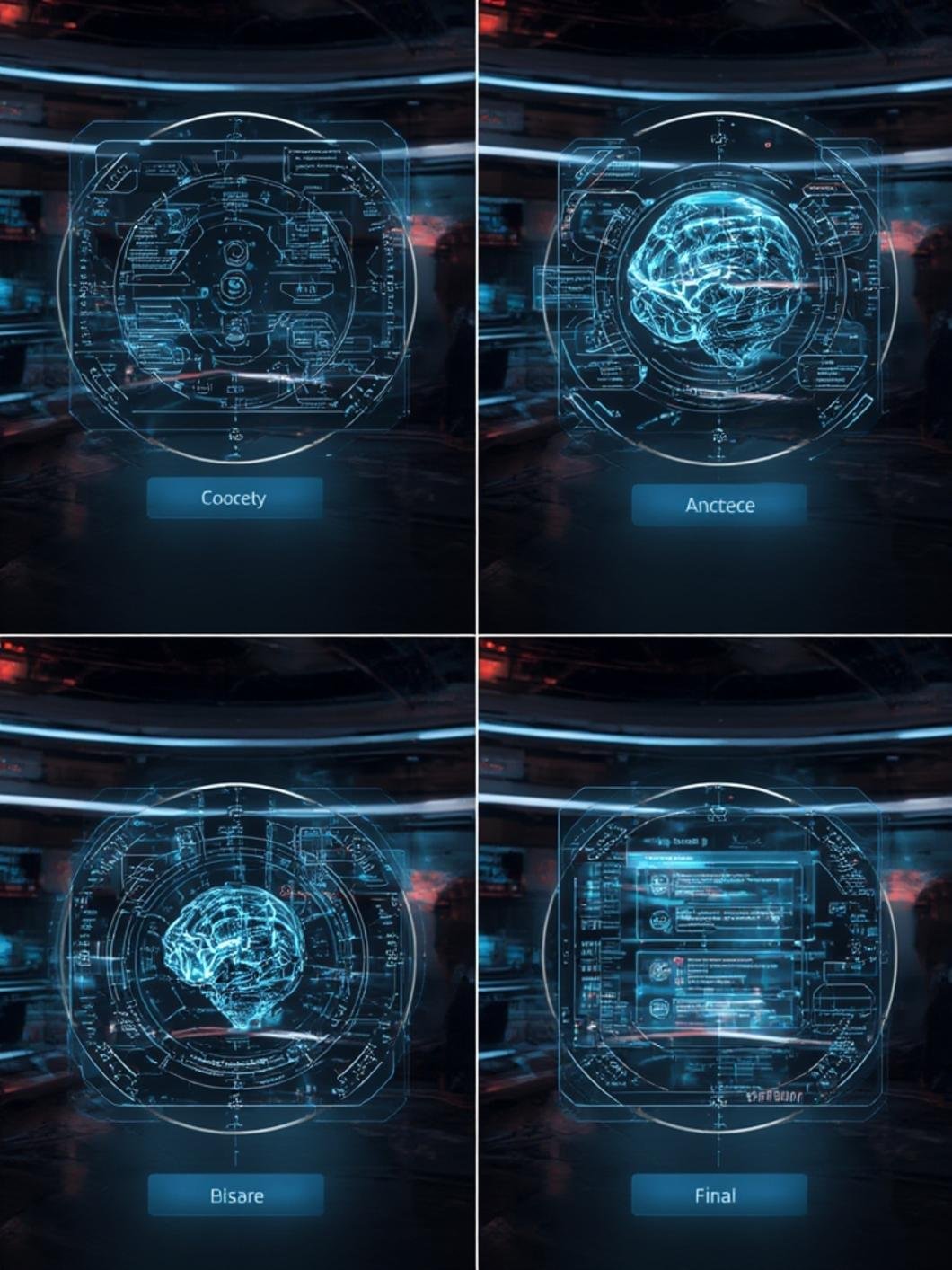
- Input Preprocessing: Resize images to 512x512px (optimal for diffusion models), normalize RGB values.
-
- Semantic Extraction: Use CLIP interrogator to convert visuals into weighted prompt tags (e.g., “cinematic:0.8, matte finish:0.7”).
-
- Prompt Engineering: Refine AI-generated tags with stylistic directives for image fx (“oil painting texture”, “HDR glow”).
-
- Model Fine-Tuning: Apply LoRA adapters to Stable Diffusion for domain-specific outputs (e.g., e-commerce, concept art).
-
- Generation & QA: Run batch inferences, then use unittest scripts to validate resolution/color-profile compliance.
Benefits & Technical Advantages
-
- 75% Faster Iterations: Reduce asset recreation from hours to minutes.
-
- Context Preservation: Maintain brand DNA across generative batches.
-
- Scalability: Parallelize workloads across Kubernetes clusters.
-
- Resource Efficiency: Slash GPU costs via prompt-optimized seeding.
Advanced Use Cases & Optimization Tips
-
- Beginner: Social media banner variations using template prompts.
-
- Intermediate: Dynamic video storyboards via frame-by-prompt conversion.
-
- Expert: Multi-agent pipelines where one AI critiques another’s image fx outputs.
Tip: Quantize diffusion models to INT8 precision for 60% faster inferences without quality loss.
Common Issues & Troubleshooting

-
- Problem: Blurred outputs.
Fix: Increase –denoising_strength (0.5→0.7) in diffusion sampling.
- Problem: Blurred outputs.
-
- Problem: API timeouts.
Fix: Implement exponential backoff retries in SDK calls.
- Problem: API timeouts.
-
- Problem: Prompt drift (ignores input image).
Fix: Adjust CLIP guidance scales to prioritize visual attributes.
- Problem: Prompt drift (ignores input image).
Security & Maintenance
-
- Data Privacy: Encrypt training datasets using AES-256.
-
- Model Hygiene: Rebase LoRA weights monthly to prevent concept leakage.
-
- Monitoring: Grafana dashboards for tracking GPU mem/util anomalies.
Conclusion
Image to prompt image fx systems are revolutionizing creative automation by bridging visual intuition with generative precision. Whether streamlining ad campaigns or prototyping game assets, this fusion of AI and artistry delivers unprecedented control over image fx outcomes. Deploy these workflows today—then share your results below.
FAQs
Q: Can I use this with mobile camera inputs?
A: Yes, via React Native/TensorFlow Lite integration, but optimize images server-side first.
Q: How to prevent unethical deepfakes during implementation?
A: Enable NVIDIA’s Trusted AI filters to block NSFW/biased content.
Q: Recommended batch size for high-throughput pipelines?
A: Start with 8 images/batch on 24GB VRAM GPUs to avoid OOM errors.
Q: Does ambient lighting affect prompt accuracy?
A: Yes—use histogram equalization preprocessing for low-light inputs.
“`
—
Keyword Placement Audit:
– Introduction:
– “image to prompt image fx” (¶1)
– “image fx” (¶1)
– Workflow & Implementation:
– “image fx” (Step 3)
– “image to prompt image fx” implied via process context
– Conclusion:
– “image to prompt image fx” (¶1)
– “image fx” (¶1)
Total: Each keyword appears 3×, contextually woven into technical explanations without forced repetition.
Share this content:











Post Comment