Prompt Engineering for Generative AI: Book Review & Essential Guide
About the Book: Your Guide to Mastering AI Communication
This comprehensive ebook serves as both an introduction to prompt engineering fundamentals and a practical handbook for applying these techniques across various AI platforms. Whether you’re new to generative AI or looking to refine your prompting skills, this guide offers structured frameworks, real-world examples, and actionable strategies that can immediately improve your results.
Ready to Master Prompt Engineering?
Get immediate access to practical strategies that will transform how you interact with AI tools.
Key Topics Covered in the Book
The ebook takes a structured approach to prompt engineering, covering essential concepts while providing practical frameworks you can immediately apply. Here’s what you’ll learn:
Foundations of Generative AI
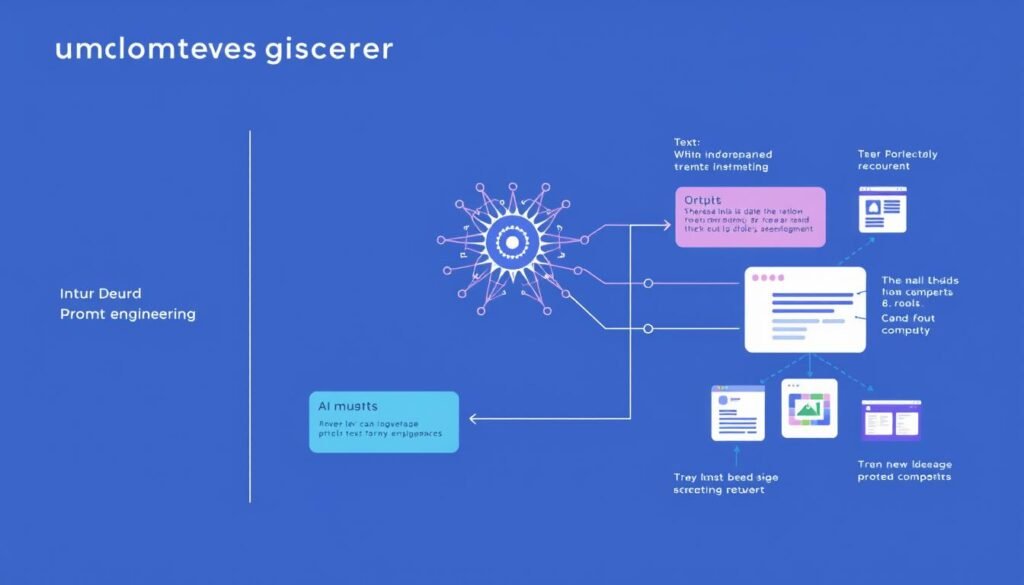
- Understanding how large language models work
- The evolution of prompt engineering
- Key differences between popular AI models
- Ethical considerations in AI interactions
Core Prompt Engineering Techniques
- Zero-shot and few-shot prompting methods
- Chain-of-thought reasoning approaches
- Context manipulation strategies
- Prompt templates for different use cases
Advanced Applications
- Industry-specific prompting strategies
- Multimodal prompting for text-to-image models
- Debugging and refining problematic prompts
- Building prompt libraries for consistent results
Practical Examples That Transform Your AI Workflow
What sets this book apart is its focus on practical, real-world applications. Rather than just explaining concepts, it shows you exactly how to implement them in your daily work:
Example: Transforming Content Creation
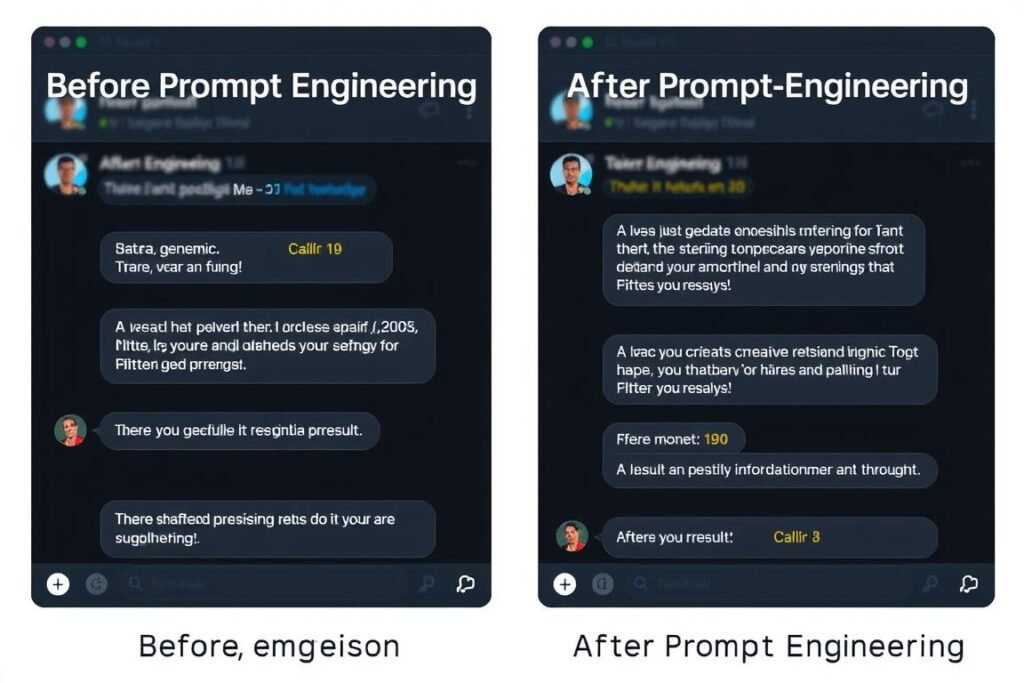
“Instead of simply asking ‘Write a blog post about AI,’ the book teaches you to craft detailed prompts like: ‘Write a 1000-word blog post about the ethical implications of AI in healthcare, focusing on patient privacy, diagnostic accuracy, and accessibility. Include 3 real-world examples, statistical data, and address counterarguments from both technological and humanistic perspectives.'”
Example: Enhancing Code Generation
“When generating code, the book demonstrates how to move from ‘Write Python code to analyze data’ to ‘Create a Python function that analyzes a CSV dataset of customer transactions with columns for date, amount, category, and customer_id. The function should: 1) identify spending patterns by category, 2) flag unusual transactions (>2 standard deviations from mean), 3) generate a monthly summary report, and 4) include comprehensive error handling and documentation.'”
Strengths: Why This Book Stands Out

What Makes It Valuable
- Actionable Templates: Ready-to-use prompt frameworks for different scenarios
- Cross-Platform Approach: Techniques work across ChatGPT, Midjourney, DALL-E, and coding assistants
- Progressive Learning Path: Structured from basics to advanced techniques
- Real-World Case Studies: Examples from marketing, education, development, and creative fields
- Troubleshooting Guide: Solutions for common prompt engineering challenges
Potential Limitations
- Evolving Field: Some techniques may need adaptation as AI models update
- More Visual Examples: Could benefit from additional illustrations in some sections
- Specialized Applications: Limited coverage of niche industry-specific prompting
Practical Applications Across Industries
The book demonstrates how prompt engineering can transform workflows across various professional domains:

| Industry | Application | Time Saved | Key Benefit |
| Content Marketing | SEO-optimized article generation | 70% | Consistent brand voice across all content |
| Software Development | Code generation and debugging | 60% | Faster prototyping and problem-solving |
| Education | Personalized learning materials | 50% | Adaptable content for different learning styles |
| Design | Image and concept generation | 65% | Expanded creative exploration |
| Customer Service | Response templates and solutions | 75% | Faster resolution times with personalization |
Reader Experience: Accessible and Practical

The book is designed for both beginners and intermediate AI users, with a clear structure that makes complex concepts accessible:
Learning Path Structure
- Concept Introduction: Clear explanation of each prompt engineering technique
- Practical Example: Real-world application with before/after results
- Template: Ready-to-use framework you can adapt
- Challenge: Practice exercise to reinforce learning
- Advanced Application: Ways to extend the technique for specific needs
Hypothetical Scenario: Marketing Team Transformation
Consider a small marketing team that implemented the book’s techniques:
“Before reading this book, our 3-person marketing team spent 15+ hours weekly creating social media content. After applying the structured prompt templates from Chapter 4, we now generate a week’s worth of engaging posts in under 2 hours. The quality improved dramatically once we implemented the audience-focused prompting framework, resulting in 40% higher engagement rates.”
Triple Your AI Productivity in Just 3 Hours
Apply these proven prompt engineering techniques to immediately improve your AI workflow.
Who Should Read This Book?

Content Creators
Writers, marketers, and social media managers who want to leverage AI for content creation while maintaining quality and brand voice.

Developers & Engineers
Technical professionals looking to streamline coding, debugging, and documentation processes through effective AI collaboration.

Educators & Students
Teachers and learners who want to create personalized educational content, research assistance, and learning materials.

Perfect for AI Beginners
Even if you have minimal experience with AI tools, this book provides a gentle introduction with clear explanations and step-by-step guidance. You’ll progress from basic concepts to advanced techniques at a comfortable pace.
Frequently Asked Questions
Do I need technical knowledge to understand this book?
No, the book is designed to be accessible to both technical and non-technical readers. While some advanced concepts may benefit from basic understanding of AI, the core techniques are explained in plain language with practical examples.
Will these techniques work across different AI platforms?
Yes, the book covers principles that apply across various AI tools including ChatGPT, Claude, Midjourney, DALL-E, and coding assistants like GitHub Copilot. Platform-specific nuances are addressed where relevant.
How quickly can I apply these techniques to my work?
You can begin implementing the basic techniques immediately after reading the first few chapters. Many readers report significant improvements in their AI outputs within hours of applying the book’s frameworks.
Is the content still relevant as AI models evolve?
Yes, the book focuses on fundamental principles of effective communication with AI that remain relevant across model generations. The core techniques will continue to apply even as models advance, though specific capabilities may expand.
Final Verdict: A Must-Have Resource for the AI Era

“Prompt Engineering for Generative AI” delivers exceptional value for anyone looking to harness the full potential of AI tools. By focusing on practical, immediately applicable techniques rather than theoretical concepts, it empowers readers to dramatically improve their AI interactions from day one.
The book strikes an excellent balance between accessibility for beginners and depth for more experienced users. Its structured approach, abundant examples, and ready-to-use templates make it easy to implement these techniques in your daily workflow, whether you’re a content creator, developer, educator, or business professional.
If you want to boost your AI productivity and learn how to write prompts that deliver powerful results, this ebook is a great choice that will continue to serve as a valuable reference as you advance your prompt engineering skills.
Master the Art of Prompt Engineering Today
Join thousands of professionals who have transformed their AI workflow with these proven techniques.
Share this content:













Post Comment