Private Investigator AI: 9 best OSINT tools tracking
In an era saturated with digital footprints, the role of a private investigator is evolving at an unprecedented pace. The sheer volume of accessible information – from public records to social media posts – presents both an opportunity and a daunting challenge.
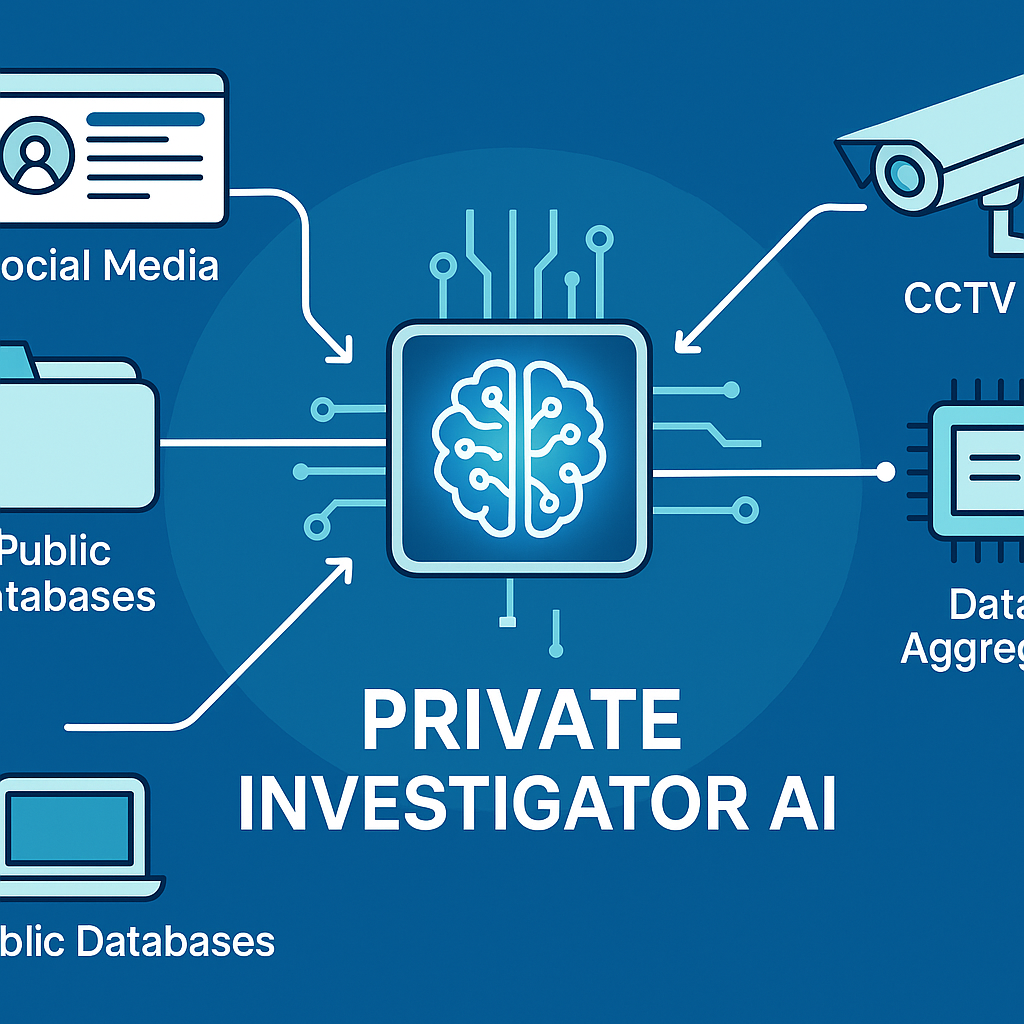
Are you still sifting through mountains of data manually, or are you leveraging the power of artificial intelligence to streamline your investigations? Recent industry reports indicate that AI tools can reduce data processing time by up to 70%, drastically improving case resolution efficiency. This article dives deep into the world of private investigator AI, unveiling the 9 best Open Source Intelligence (OSINT) tools that empower modern investigators to track cases with unparalleled precision and speed.
Core Frameworks, Tools, or Elements of Private Investigator AI
The application of private investigator AI is built upon several foundational frameworks and tools designed to automate, analyse, and synthesise vast datasets. These elements collectively transform the investigative landscape, offering capabilities far beyond traditional methods.
- Natural Language Processing (NLP): Enables AI to understand, interpret, and generate human language, crucial for analysing text-based evidence like emails, social media feeds, and reports.
- Machine Learning (ML): Powers predictive analytics, pattern recognition, and anomaly detection, helping investigators identify critical connections and suspicious activities.
- Computer Vision: Allows AI to “see” and interpret visual data, including facial recognition, object detection in surveillance footage, and document analysis.
- Data Aggregation Platforms: Centralised systems that pull information from disparate public and semi-public sources, acting as the bedrock for OSINT investigations.
- Graph Databases: Ideal for visualising and understanding complex relationships between entities (people, organisations, locations) that traditional databases struggle with.
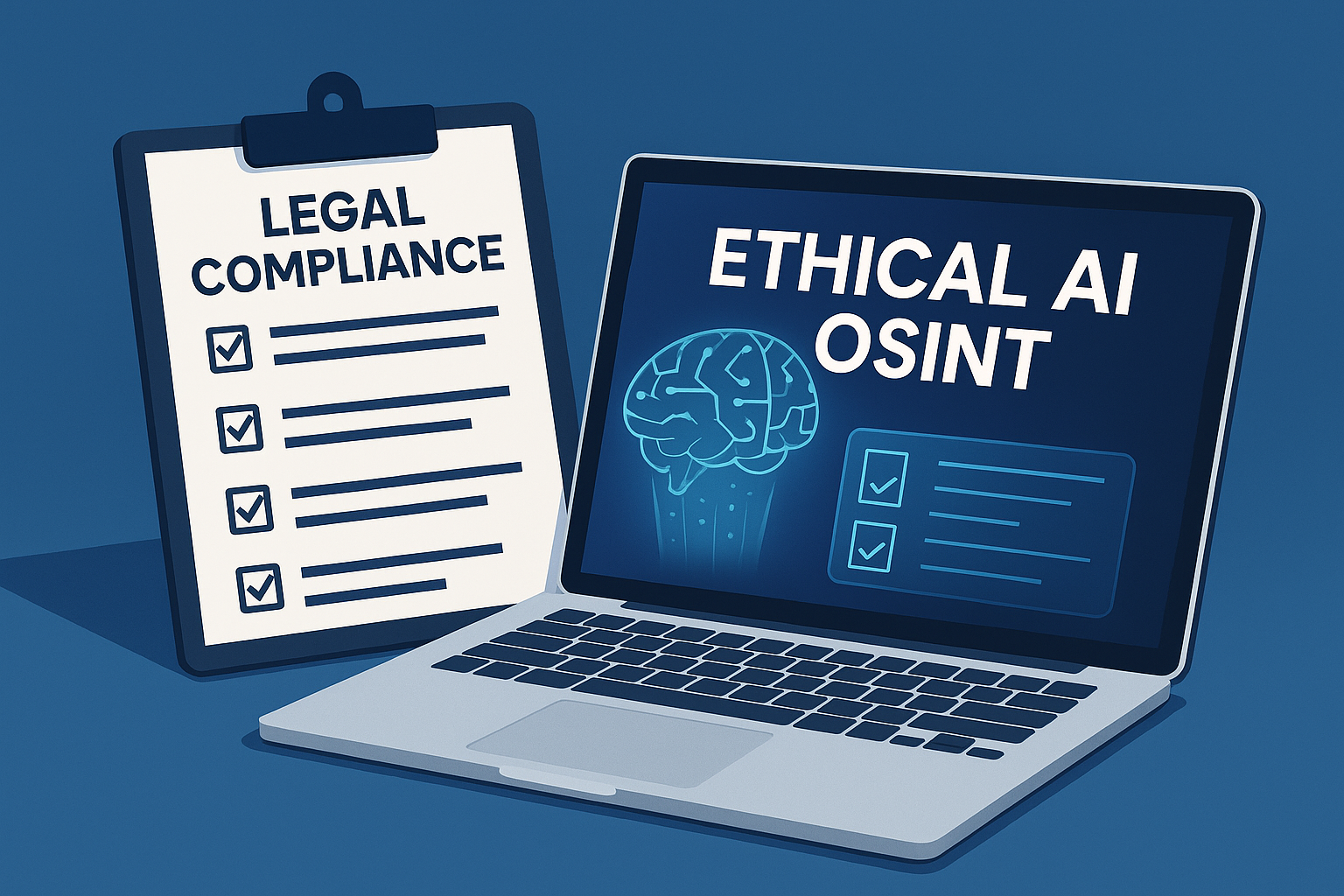
- Ethical AI Governance: Increasingly important for ensuring compliance and preventing bias in AI-driven investigations, especially concerning privacy and data protection.
Implementation Timeline for AI in Investigations
The adoption of private investigator AI is not a sudden shift but a phased evolution, with different technologies maturing and integrating over time.
- Short-Term (Next 12-18 Months):
- Automated Data Collection: Wider adoption of crawlers and scrapers for public data.
- Basic NLP for Document Review: Tools to quickly scan and extract keywords from large text sets.
- Enhanced Background Checks: AI-driven tools accelerating public record searches.
- Mid-Term (18-36 Months):
- Advanced Pattern Recognition: AI identifying complex behavioural patterns in digital footprints.
- Predictive Analytics for Risk Assessment: Using historical data to forecast potential future events or risks.
- Sophisticated Social Media Analysis: AI tools identifying sentiment, networks, and hidden connections (e.g., in a financial fraud investigation).
- Projections: By 2026, over 40% of private investigative firms are expected to utilise AI for at least one core function of data analysis.
- Long-Term (3-5+ Years):
- Autonomous OSINT Agents: AI systems capable of conducting full investigations with minimal human oversight, generating detailed reports automatically.
- Ethically Compliant AI Decision Support: AI providing weighted insights and recommendations, adhering strictly to legal and ethical guidelines.
- Human-Computer Hybrid Teams: Seamless collaboration between human investigators and advanced AI systems, each leveraging their unique strengths.
Step-by-Step Adoption Process for Private Investigator AI
Integrating private investigator AI into your workflow requires a structured approach to maximise benefits and mitigate risks.
Assess Current Workflow & Data Needs
Begin by identifying pain points in your existing investigative processes. Where do you spend the most time? What data sources are most critical? Understand your current data volume, velocity, and variety. For instance, are you frequently dealing with vast amounts of social media data for skip tracing?
Research & Pilot AI Tools
Don’t jump all in. Select 1-2 promising OSINT tools powered by private investigator AI that address your immediate needs. Conduct small-scale pilot projects to evaluate their effectiveness, accuracy, and integration potential with your current systems. Consider a mini case study: A PI firm specialising in corporate espionage might pilot an AI tool for anomaly detection in communication logs.
Develop Ethical Guidelines & Compliance Frameworks
Before broad deployment, establish clear ethical boundaries for AI use, particularly regarding data privacy, consent, and bias. Consult legal experts to ensure compliance with GDPR, CCPA, and other relevant regulations. Ethical AI is crucial for maintaining trust and avoiding legal pitfalls.
Implement & Integrate Gradually
Once pilots are successful, gradually integrate the chosen AI t ools into your daily operations. Start with simpler tasks and slowly expand their scope. Provide ample training to your team to ensure they understand how to use and interpret AI-generated insights.
Optimize & Scale
Continuously monitor the performance of your private investigator AI tools. Gather feedback from investigators, refine parameters, and explore opportunities to scale their use across more complex tasks or larger datasets. This iterative process ensures the AI remains effective and relevant.
Performance Metrics & Impact of Private Investigator AI
The impact of private investigator AI is quantifiable, delivering significant improvements across various investigative metrics.
- Efficiency Gains: AI can automate mundane data collection and preliminary analysis, freeing up investigators for more complex, nuanced tasks. Measure: Reduction in time spent on initial data collation (e.g., 60% faster).
- Accuracy & Reliability: AI’s ability to process vast datasets without human error often leads to more accurate insights and fewer missed connections. Measure: Increase in successful case resolutions due to AI-identified leads.
- Reduced Costs: Automating labour-intensive tasks can lead to significant operational cost savings over time. Measure: Decrease in man-hours per investigation.
- Enhanced Scalability: AI systems can handle exponentially larger datasets than human teams, allowing firms to take on more complex or higher-volume cases. Measure: Ability to handle X% more data points per investigation.
- Speed of Resolution: Faster data processing and analysis directly translate to quicker case resolutions. Measure: Average time-to-resolution reduced by Y days.
Optimization Strategies for Private Investigator AI
To truly harness the power of private investigator AI, continuous optimisation is key.
- Regular Data Hygiene: Ensure the data fed into AI models is clean, accurate, and relevant. “Garbage in, garbage out” applies rigorously to AI.
- Algorithm Refinement: Continuously evaluate and fine-tune AI algorithms based on feedback and new data patterns. This might involve adjusting parameters or switching to more advanced models.
- Integrate with Existing Tools: Seamlessly connect private investigator AI platforms with your existing case management systems, communication tools, and data repositories for a unified workflow.
- Human-in-the-Loop: Don’t fully automate. Keep human investigators in the loop to review AI-generated insights, provide context, and make final strategic decisions. This improves both AI training and maintains ethical oversight.
- Leverage Cloud Computing: Utilise cloud-based AI solutions for scalability, flexibility, and access to powerful computational resources without significant upfront hardware investment.
Use Cases & Industry Applications for Private Investigator AI
Private investigator AI is revolutionising various facets of investigative work across numerous industries.
- Corporate Investigations:
- Due Diligence: Rapidly vetting potential business partners, acquisitions, or employees by analysing public records, news archives, and financial reports.
- Fraud Detection: Identifying unusual transaction patterns, forged documents, or suspicious network connections in financial data. Example: JPMorgan Chase uses AI to monitor transactions for illicit activities.
- Legal & Litigation Support:
- eDiscovery: Efficiently sifting through massive volumes of digital documents (emails, internal communications) to find relevant information for legal cases.
- Witness/Jury Vetting: Analysing public online profiles for biases or conflicts of interest.
- Insurance Investigations:
- Claims Fraud: Detecting discrepancies in claims applications, identifying inflated damages, or uncovering organised fraud rings through pattern analysis.
- Accident Reconstruction: AI processing dashcam footage or witness statements to piece together events more accurately.
- Missing Persons & Skip Tracing:
- Digital Footprint Analysis: Using social media, public databases, and geolocation data to track down individuals. Tools leveraging private investigator AI can quickly compile historical addresses, associated individuals, and common hangouts.
- Cybersecurity Investigations:
- Threat Intelligence: Monitoring dark web forums, social media, and news for emerging cyber threats, data breaches, or reputation risks associated with a client.
Common Pitfalls & How to Avoid Them in Private Investigator AI
While transformative, the adoption of private investigator AI comes with its own set of challenges.
- Over-Reliance on AI Without Human Oversight: Believing AI is infallible can lead to critical oversights.
- Solution: Implement “human-in-the-loop” protocols where AI provides insights, but human investigators make final decisions and interpret nuances.
- Ignoring Data Quality: Feeding poor-quality or biased data into AI systems will yield inaccurate or misleading results.
- Solution: Establish rigorous data collection and cleaning procedures. Regularly audit data sources for reliability and relevance.
- Lack of Ethical & Legal Compliance: Failing to address privacy concerns, data protection laws, or potential biases in AI.
- Solution: Develop a comprehensive ethical AI framework and consult legal counsel to ensure all AI activities comply with local and international regulations.
- Underestimating Training Needs: Expecting staff to instantly adapt to new AI tools without proper training.
- Solution: Invest in continuous training programmes that cover both the technical aspects of AI tools and the ethical considerations of their use.
- Vendor Lock-in & Integration Issues: Choosing proprietary AI solutions that don’t integrate well with existing systems or limit data portability.
- Solution: Prioritise interoperable tools, explore open-source options, and ensure clear data export policies with vendors.
Maintenance & Scalability Tips for Private Investigator AI
To ensure your private investigator AI infrastructure remains effective and future-proof, ongoing attention is crucial.
- Regular Software Updates & Patches: Keep all AI software, APIs, and underlying operating systems updated to benefit from new features, security fixes, and performance improvements.
- Model Retraining: AI models can become stale as data patterns change. Periodically retrain your models with fresh, relevant data to maintain their accuracy and relevance. For instance, sentiment analysis models need retraining as online slang evolves.
- Performance Monitoring: Implement dashboards and alerts to monitor the performance of your AI tools—e.g., processing speed, accuracy rates, and resource utilisation. This helps identify bottlenecks or declines in effectiveness.
- Scalable Infrastructure: Design your AI infrastructure to scale vertically (more powerful hardware) and horizontally (more instances) as data volumes and analytical demands grow. Cloud-based solutions inherently offer this flexibility.
- Knowledge Sharing & Documentation: Document all AI workflows, model configurations, and best practices. This ensures continuity, facilitates new team member onboarding, and supports continuous improvement.
Conclusion
The integration of private investigator AI is no longer a futuristic concept but a present-day imperative for anyone operating in the investigative field. From dramatically accelerating data analysis to uncovering previously hidden connections, AI-powered OSINT tools are redefining efficiency, accuracy, and strategic depth. By meticulously adopting these cutting-edge technologies, adhering to ethical standards, and continuously optimising your approach, investigators can navigate the digital landscape with unparalleled agility and insight. Embrace the transformative power of private investigator AI and position yourself at the forefront of digital investigations.
FAQs
What is OSINT and how does private investigator AI enhance it?
OSINT (Open Source Intelligence) involves collecting and analysing data from publicly available sources. Private investigator AI significantly enhances OSINT by automating data collection, rapidly processing vast datasets, identifying patterns, and extracting insights that would be impractical for humans to find manually.
Is private investigator AI a substitute for human investigators?
No, private investigator AI is a powerful augmentative tool, not a replacement. AI excels at data processing and pattern recognition, while human investigators provide critical thinking, intuition, contextual understanding, and ethical judgement—qualities AI currently lacks.
What are the main ethical concerns when using private investigator AI?
Key ethical concerns include data privacy, potential for algorithmic bias (leading to unfair profiling), ensuring data accuracy, and the legal implications of automated surveillance or data collection. Strict guidelines and human oversight are essential.
How can small private investigation firms afford AI tools?
Many private investigator AI tools are now cloud-based and offered on a subscription model, making them accessible even for smaller firms. Starting with a few key tools and scaling up as needed is a cost-effective approach.
What kind of data can private investigator AI analyse?
Private investigator AI can analyse a wide range of digital data, including social media posts, public records, news articles, forum discussions, dark web content, images, videos, financial transaction records, and communication logs.
How accurate are AI-powered OSINT tools?
The accuracy of AI-powered OSINT tools varies depending on the quality of the data, the sophistication of the algorithms, and the specific application. While highly effective, they are not 100% infallible and require human validation, especially for critical insights.
What skills should a private investigator develop to work with AI?
Investigators should focus on developing skills in data interpretation, critical thinking (to validate AI outputs), understanding AI capabilities and limitations, ethical reasoning, and basic proficiency in using AI-powered software interfaces.
Disclaimer: This article provides general information and does not constitute legal advice. Always ensure compliance with relevant laws and ethical guidelines when conducting investigations.
Share this content:










Post Comment