Top AI Trends and Tools for Strategic Business Growth in 2025
Decoding Tomorrow: Essential Tools for Strategic Shaping the Future of Business
Key Takeaways
- Generative AI is redefining content creation: Tools like ElevenLabs are democratizing content production (audiobooks, voiceovers), drastically cutting costs and expanding accessibility for authors and businesses.
- Hyper-Personalization is driven by AI: Businesses leverage AI to analyze customer data, enabling targeted marketing, context-aware customer service, and optimized user interfaces to boost loyalty and conversion.
- Intelligent Automation (IPA) is key to efficiency: AI moves beyond basic RPA to streamline complex operations, including intelligent document processing, predictive maintenance, and automated decision-making.
- Ethical AI is a strategic necessity: Responsible development focusing on bias mitigation, data privacy (GDPR/CCPA), and explainability (XAI) is crucial for building trust in AI-driven solutions.
- Strategic Integration is vital: Success in the AI era requires businesses to partner with experts like AITechScope to move from theoretical understanding to practical implementation, focusing on workflow optimization using tools like n8n.
The landscape of artificial intelligence is evolving at an unprecedented pace, transforming industries, reshaping workforces, and unlocking new frontiers of innovation. For business professionals, entrepreneurs, and tech-forward leaders, understanding the latest AI trends and tools is no longer optional – it’s a strategic imperative. From democratizing content creation to optimizing complex workflows, AI is fundamentally altering how we operate, innovate, and compete.
At AITechScope, we believe that staying informed about these advancements is the first step toward harnessing their power for your organization. Our mission is to demystify complex AI concepts and provide actionable insights, empowering you to integrate intelligent solutions that drive efficiency, foster growth, and secure a competitive edge. This deep dive into the most significant AI trends and tools aims to equip you with the knowledge needed to navigate this exciting new era and strategically position your business for success.
The AI Revolution Continues: Key Trends Shaping Tomorrow
The current wave of AI innovation is characterized by advancements that are not only powerful but also increasingly accessible. What was once the domain of research labs is now available as user-friendly tools, ready to be integrated into everyday business operations. Let’s explore some of the most impactful trends.
1. Generative AI for Content Creation: Unleashing Unprecedented Creativity and Efficiency
Perhaps one of the most astonishing AI trends and tools to emerge recently is the explosive growth of generative AI, particularly in the realm of content creation. These AI models are not merely processing data; they are creating original, high-quality content across various modalities, from text and images to video and audio. This capability is fundamentally changing how businesses approach marketing, communication, and even product development.

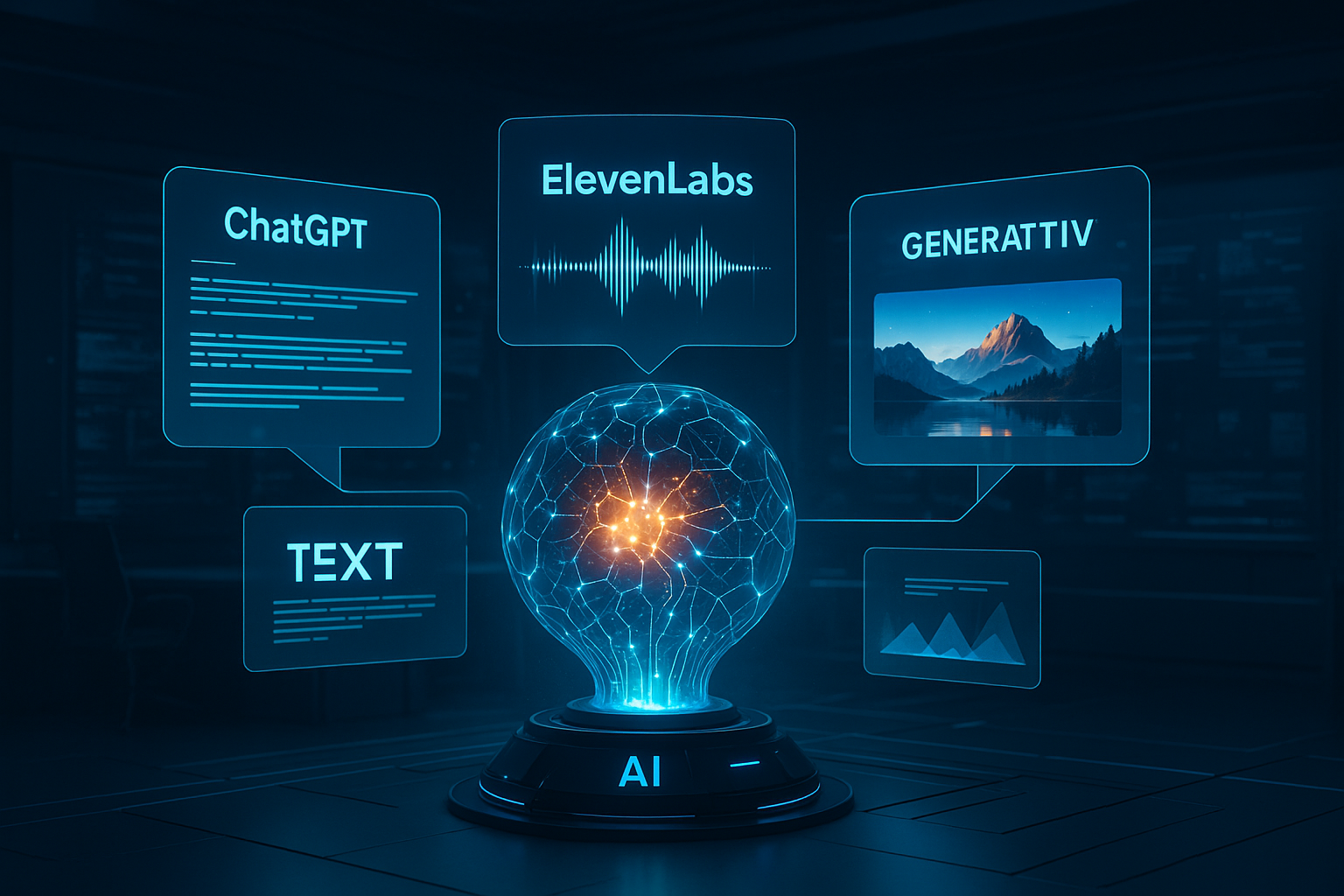
A prime example of this transformative power is the recent move by ElevenLabs, a leading voice AI company, to allow authors to create and publish AI-generated audiobooks directly on its Reader app. This development signifies a major leap forward in democratizing content production and distribution. Imagine the implications:
- For Authors and Publishers: Traditionally, audiobook production is a costly and time-consuming endeavor, often out of reach for independent authors or smaller publishers. ElevenLabs’ platform drastically reduces these barriers, enabling authors to transform their written works into high-quality audio formats with unprecedented speed and affordability. This not only opens up new revenue streams but also expands their reach to a wider audience, including those who prefer audio content or have accessibility needs. The partnership with Spotify for AI-narrated audiobooks further underscores the mainstream acceptance and potential scale of this technology.
- For Businesses and Content Marketers: Beyond traditional publishing, this technology has profound implications for businesses. Companies can now easily generate natural-sounding voiceovers for explainer videos, podcasts, training modules, marketing campaigns, and even internal communications. This means:
- Enhanced Accessibility: Making content accessible to individuals with visual impairments or learning disabilities by providing audio versions of documents, reports, and website content.
- Global Reach: Rapidly generating audio content in multiple languages with authentic-sounding voices, enabling businesses to localize their message more effectively.
- Cost-Effective Content Production: Significantly cutting down on the expense and logistical challenges associated with hiring voice actors and studio time.
- Personalized Experiences: Delivering tailored audio messages to customers, such as personalized greetings, product updates, or service notifications.
The ability of generative AI to produce high-quality, diverse content at scale is not just an efficiency gain; it’s a paradigm shift that redefines the possibilities for creativity and communication. It empowers businesses to create richer, more engaging, and more accessible experiences for their audiences without requiring extensive resources or specialized expertise.
2. Hyper-Personalization and Customer Experience: Tailoring Every Interaction
Another critical direction in AI trends and tools is the drive towards hyper-personalization. Customers today expect bespoke experiences, and AI is the engine making this possible. By analyzing vast amounts of customer data—from browsing history and purchase patterns to social media interactions and demographic information—AI algorithms can create highly individualized profiles.
This allows businesses to:
- Deliver Personalized Marketing: Crafting targeted advertisements, email campaigns, and product recommendations that resonate deeply with individual preferences, leading to higher engagement and conversion rates.
- Enhance Customer Service: Deploying AI-powered chatbots and virtual assistants that provide instant, intelligent, and context-aware support, resolving queries efficiently and improving customer satisfaction. These AI agents can learn from past interactions, retrieve relevant information, and even escalate complex issues to human agents seamlessly.
- Optimize User Interfaces: Dynamically adjusting website layouts, app features, and content presentation based on individual user behavior and preferences, creating a more intuitive and enjoyable digital experience.
- Predict Customer Needs: Proactively identifying potential issues or opportunities, such as predicting churn risk or suggesting relevant upsell opportunities before the customer even articulates a need.
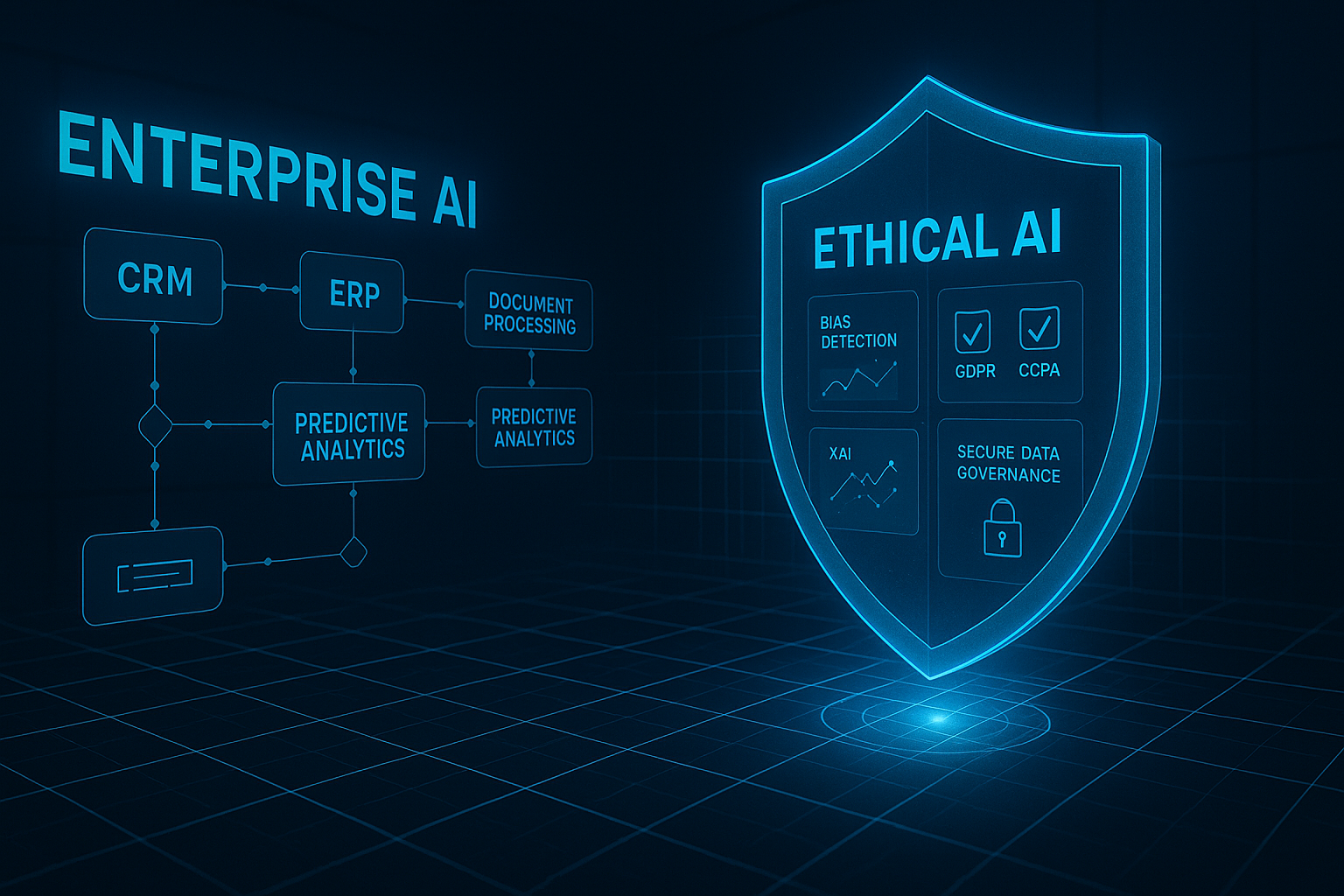
The result is a customer journey that feels uniquely crafted for each individual, fostering loyalty, increasing engagement, and ultimately boosting profitability.
3. AI in Automation and Workflow Optimization: The Intelligent Backbone of Modern Business
While generative AI captures headlines with its creative prowess, the silent revolution of AI-powered automation continues to be a cornerstone of business efficiency. This trend focuses on using AI to streamline and optimize operational workflows, moving beyond simple robotic process automation (RPA) to intelligent process automation (IPA) that can understand context, make decisions, and learn over time.
Key areas where AI is driving significant workflow optimization include:
- Intelligent Document Processing (IDP): AI tools can extract, categorize, and validate information from unstructured documents (invoices, contracts, reports) with high accuracy, automating data entry and reducing manual errors.
- Predictive Analytics for Operations: Using AI to forecast equipment failures, optimize supply chain logistics, manage inventory, and predict demand fluctuations, leading to reduced downtime, lower costs, and improved resource allocation.
- Automated Decision-Making: AI algorithms can analyze complex datasets to make rapid, informed decisions in areas like fraud detection, credit scoring, and dynamic pricing, often outperforming human capabilities in speed and consistency.
- Smart Task Delegation and Management: AI can analyze workloads, identify optimal resource allocation, and even delegate tasks to human virtual assistants or automated bots, ensuring efficient project execution and balanced team utilization. This is where the synergy between human expertise and AI-driven efficiency truly shines.
By intelligently automating repetitive, data-intensive, or complex tasks, businesses can free up their human workforce to focus on strategic initiatives, innovation, and tasks that require uniquely human creativity and emotional intelligence.
4. Ethical AI and Responsible Development: Building Trust in an AI-Driven World
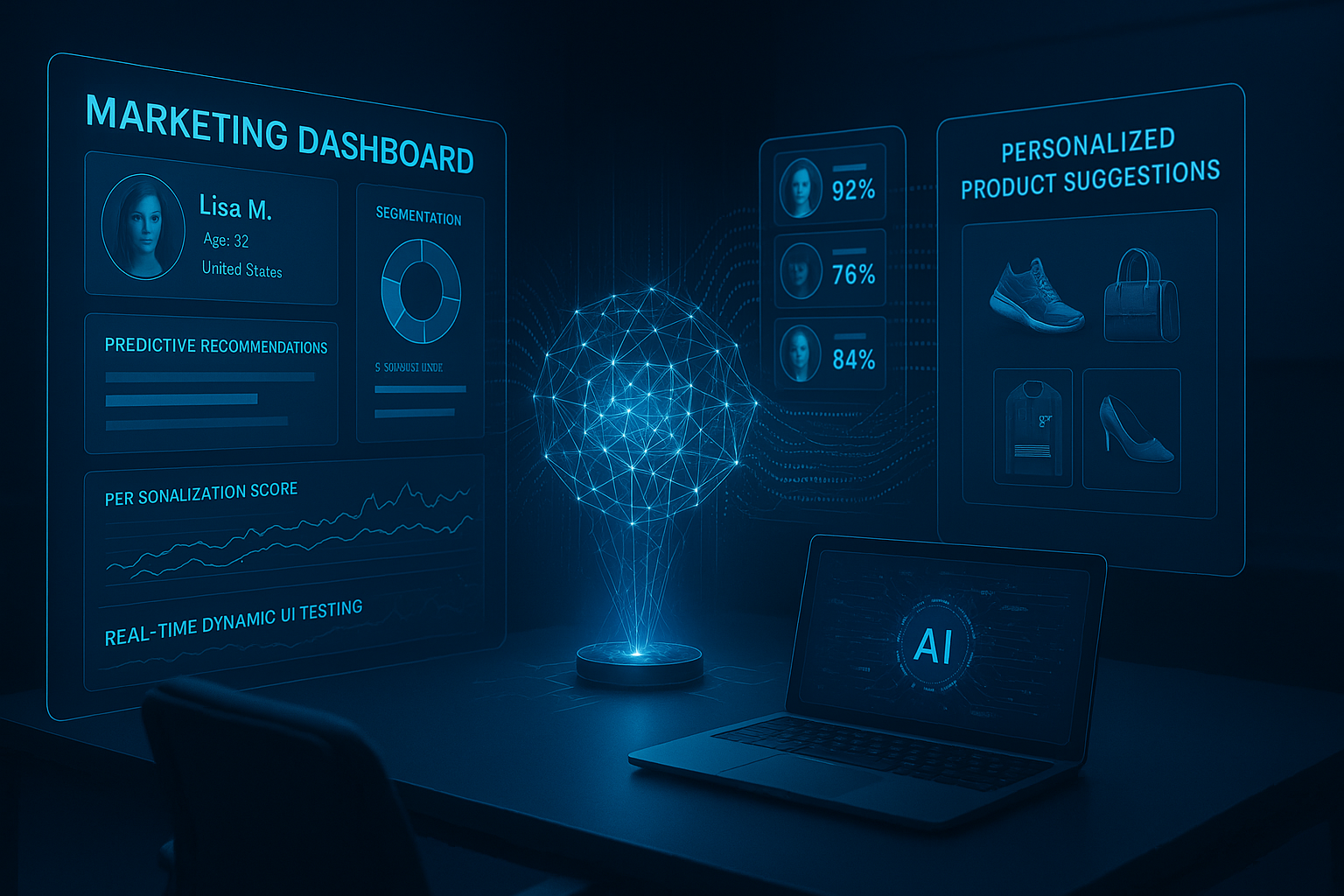
As AI becomes more integrated into every facet of business and society, the importance of ethical considerations and responsible development has never been greater. This emerging trend in AI trends and tools emphasizes the need for transparency, fairness, accountability, and privacy in AI systems.
Businesses are increasingly focusing on:
- Bias Detection and Mitigation: Developing and deploying AI systems that are fair and free from inherent biases present in training data, ensuring equitable outcomes for all users.
- Data Privacy and Security: Implementing robust measures to protect sensitive data used by AI systems, adhering to regulations like GDPR and CCPA, and building consumer trust.
- Transparency and Explainability (XAI): Designing AI models that can articulate their decision-making processes, allowing users to understand why a particular output or recommendation was generated. This is crucial for critical applications in finance, healthcare, and legal sectors.
- Governance and Regulation: Actively participating in discussions around AI policy and developing internal ethical guidelines for AI development and deployment to ensure responsible innovation.
Embracing ethical AI practices is not just about compliance; it’s about building long-term trust with customers, employees, and stakeholders, positioning your business as a responsible leader in the AI era.
Practical Applications of Emerging AI Tools for Business
Understanding these broad trends is crucial, but how do they translate into actionable strategies for your business? Let’s break down some practical applications leveraging current AI trends and tools.
1. Revolutionizing Content Strategy with Generative AI
The ElevenLabs example is just one facet of how generative AI is empowering content creation. Businesses can leverage these tools to:
- Rapidly Prototype Marketing Copy: Generate multiple variations of ad copy, social media posts, and email subject lines for A/B testing, quickly identifying the most effective messaging.
- Personalize Customer Communications: Create hyper-personalized emails, product descriptions, or even sales pitches tailored to individual customer segments, improving engagement and conversion.
- Scale Content Production: Generate blog post outlines, first drafts, image concepts, or even short video scripts at scale, significantly reducing the time and resources required for content marketing.
- Enhance Accessibility: Convert written materials into audio (as ElevenLabs demonstrates) or generate captions for videos, making content accessible to a broader audience and improving SEO.
- Internal Training & Onboarding: Produce engaging e-learning modules with AI-generated voiceovers and interactive elements, streamlining employee training processes.
2. Elevating Customer Engagement and Sales with Intelligent Assistants
AI-powered virtual assistants are no longer basic chatbots; they are sophisticated engines of customer service and sales enablement.
- 24/7 Customer Support: Deploy AI chatbots on websites and messaging platforms to provide instant answers to common FAQs, guide users through processes, and resolve basic issues around the clock.
- Lead Qualification & Nurturing: Use AI to engage with website visitors, qualify leads based on predefined criteria, and even initiate follow-up sequences, ensuring sales teams focus on high-potential prospects.
- Personalized Sales Outreach: AI can help craft personalized email sequences and identify optimal times to contact prospects, increasing the effectiveness of sales efforts.
- Post-Sale Support & Feedback: AI agents can handle routine post-purchase inquiries, gather feedback, and proactively offer assistance, enhancing customer satisfaction and loyalty.
3. Optimizing Operations and Decision-Making with AI Automation
The core promise of AI for many businesses lies in its ability to drive operational efficiency and provide actionable insights.
- Automated Data Entry and Processing: Implement AI-powered tools to automatically extract relevant data from invoices, forms, and other documents, eliminating manual data entry errors and speeding up processing times.
- Predictive Maintenance: For manufacturing or logistics, AI can analyze sensor data from machinery to predict when maintenance is needed, preventing costly breakdowns and optimizing asset utilization.
- Supply Chain Resilience: Use AI to analyze market demand, weather patterns, geopolitical events, and supplier performance to optimize inventory levels, route logistics, and mitigate supply chain disruptions.
- Financial Forecasting & Risk Assessment: Leverage AI algorithms to analyze market data, economic indicators, and historical performance to generate more accurate financial forecasts and assess investment risks.
4. Enhancing Digital Presence with AI-Driven Development
Integrating AI extends to the very foundation of your digital presence.
- Smart Website Personalization: AI can dynamically adjust website content, product recommendations, and navigation based on individual user behavior, leading to higher conversion rates and improved user experience.
- SEO Optimization: AI tools can analyze search trends, competitor strategies, and content performance to provide recommendations for keyword optimization, content generation, and technical SEO improvements.
- Automated Testing & Bug Detection: AI can assist in the software development lifecycle by automating testing processes and even identifying potential bugs or vulnerabilities more quickly and efficiently.
Navigating the AI Landscape: Your Business Advantage
The rapid pace of AI trends and tools can feel overwhelming. It’s not enough to simply be aware of these innovations; the true business advantage comes from strategically integrating them into your operations to create tangible value. This means moving beyond theoretical understanding to practical implementation, focusing on how AI can solve your specific business challenges, enhance your existing strengths, and unlock new opportunities.
Successfully adopting AI is about more than just technology; it’s about a holistic approach to digital transformation. It involves:
- Identifying Key Pain Points: Pinpointing areas where AI can make the most significant impact, whether it’s reducing operational costs, improving customer satisfaction, or accelerating time-to-market.
- Data Strategy: Ensuring you have clean, accessible, and relevant data to feed your AI models.
- Talent Development: Equipping your team with the skills to work alongside and leverage AI tools.
- Scalability: Choosing solutions that can grow with your business and integrate seamlessly into your existing infrastructure.
- Measuring ROI: Clearly defining metrics to track the success and impact of your AI initiatives.
By focusing on these elements, businesses can effectively harness AI to drive unprecedented levels of efficiency, foster continuous innovation, and achieve robust digital transformation. The goal isn’t just to automate tasks but to optimize entire workflows, making your business more agile, responsive, and resilient in an increasingly dynamic market.
Partnering for AI Success: How AITechScope Elevates Your Business
At AITechScope, we understand that navigating the complex world of AI trends and tools requires expertise, strategic vision, and practical implementation capabilities. We are not just a virtual assistant service; we are your dedicated partner in harnessing the full potential of AI for your business.
Our specialization in AI-powered automation, n8n workflow development, and comprehensive AI consulting services is designed to help businesses like yours:
- Leverage Cutting-Edge AI: We stay abreast of the latest AI trends and tools, translating complex advancements into practical, impactful solutions for your specific business needs. Whether it’s integrating generative AI for content, deploying intelligent virtual assistants for customer service, or optimizing back-office operations, we provide the expertise.
- Achieve Workflow Optimization with n8n: Our proficiency in n8n automation allows us to design, build, and implement sophisticated, low-code workflows that connect various applications, automate repetitive tasks, and streamline complex business processes. From sales pipelines and marketing campaigns to data synchronization and internal reporting, n8n, powered by AI, enables seamless, intelligent automation.
- Strategic AI Consulting: Our AI consulting services go beyond mere tool implementation. We work closely with you to develop a tailored AI strategy that aligns with your business objectives, identify high-impact use cases, and guide you through the entire lifecycle of AI adoption, from concept to deployment and optimization. We help you understand not just what AI can do, but how it can specifically benefit your unique challenges.
- Intelligent Delegation with Virtual Assistants: Our virtual assistant services are supercharged by AI, enabling intelligent delegation. This means your virtual assistants are not just executing tasks; they are augmented by AI tools to perform research faster, analyze data more deeply, personalize outreach more effectively, and manage projects with greater foresight. This synergy between human intelligence and AI efficiency allows you to scale operations, reduce costs, and free up your core team for strategic initiatives.
- Seamless Digital Transformation: We help integrate AI solutions into your existing digital infrastructure, including expert website development, ensuring that AI enhances your online presence and operational backend without disruption. Our goal is to create cohesive, AI-powered ecosystems that drive efficiency across all facets of your business.
- Unlock Business Efficiency and Growth: By intelligently automating tasks, providing data-driven insights, and optimizing workflows, we enable your business to operate more leanly, respond more quickly to market changes, and dedicate resources to innovation and growth. This ultimately leads to significant cost reductions, improved productivity, and a stronger competitive position.
The future of business is intertwined with the intelligent application of AI trends and tools. As these technologies continue to evolve, the gap between early adopters and those who lag will only widen. Now is the time to strategically evaluate how AI can revolutionize your operations, enhance your customer experience, and empower your team.
Don’t let the complexity of AI hold your business back. Partner with AITechScope to navigate this exciting frontier with confidence and clarity. Our expert team is ready to help you identify the right AI solutions, implement powerful automation workflows, and elevate your business to new heights of efficiency and innovation.
FAQ: Frequently Asked Questions
What is the most significant recent development in Generative AI for content creation?
The explosive growth of generative AI is exemplified by companies like ElevenLabs, which now allow authors to create and publish high-quality, AI-generated audiobooks directly. This development significantly lowers the barriers to content production, making professional audio formats accessible and affordable for independent authors and small businesses alike.
How does AI enable hyper-personalization for businesses?
AI utilizes sophisticated algorithms to analyze vast quantities of customer data, including browsing behavior, purchase history, and demographics. This allows businesses to create highly individualized profiles, enabling them to deliver targeted marketing messages, context-aware customer service through intelligent assistants, and dynamically adjusted user interfaces, all of which boost customer loyalty and conversion rates.
What is the difference between standard Robotic Process Automation (RPA) and the Intelligent Automation driven by current AI trends?
Standard RPA primarily automates repetitive, rule-based tasks. Current AI trends and tools focus on Intelligent Process Automation (IPA), which moves beyond simple repetition. IPA uses AI to understand context, process unstructured data (like documents), make informed decisions, and learn from its actions over time. This allows for the optimization of complex, data-intensive workflows that require a level of intelligence and adaptability.
Share this content: