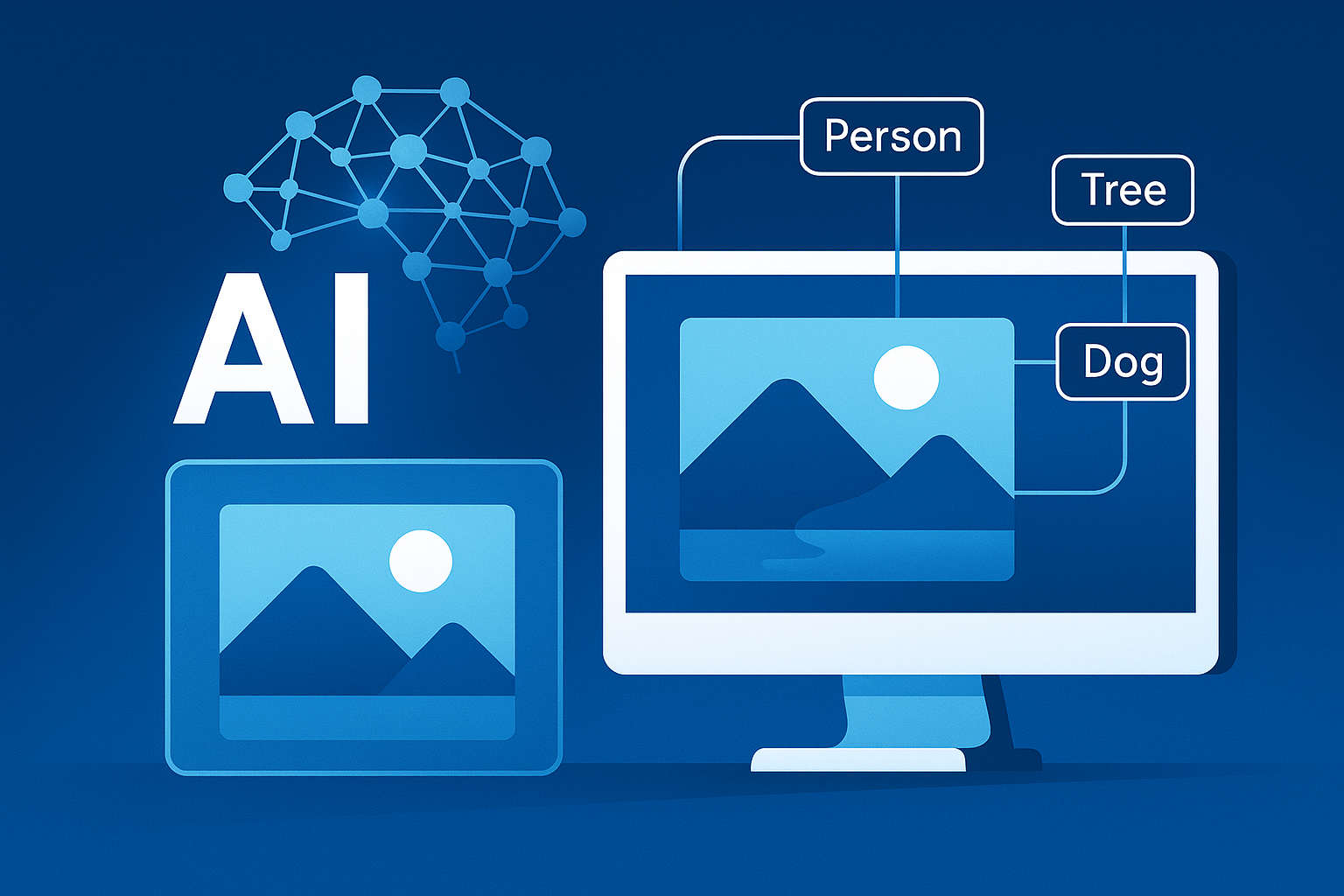
Describe Image AI. How it boosts alt text SEO with 7 tips
The Describe Image Describe Image AI How it boosts alt text SEO with 7 tips
In the rapidly evolving digital landscape, images are no longer just visual embellishments; they are critical components of a robust SEO strategy. Yet, a staggering 50% of websites still neglect image alt text, missing a vital opportunity to enhance visibility and accessibility. This oversight is particularly detrimental as AI-driven search engines increasingly prioritise comprehensive, semantically rich content. Enter “describe image AI” – a transformative technology poised to revolutionise how we approach alt text, offering unparalleled opportunities to supercharge image SEO and elevate user experience. Are you harnessing the full potential of your visual content?
Core Frameworks & Tools of Describe Image AI
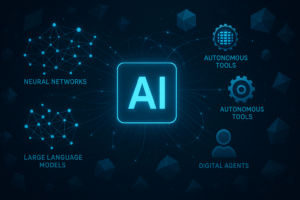
The magic behind effective image description lies in sophisticated AI frameworks and algorithms. These aren’t just simple caption generators; they are complex systems designed to analyse, understand, and articulate visual context.
- Computer Vision (CV) Models: At its heart, describe image AI relies on advanced computer vision. Techniques like Convolutional Neural Networks (CNNs) and Vision Transformers (ViT) enable machines to “see” and interpret objects, scenes, and even activities within an image. They can identify everything from specific dog breeds to the emotional state of a person.
- Natural Language Processing (NLP) & Generation (NLG): Once the image context is understood, NLP and NLG models translate these visual insights into human-readable text. This involves generating coherent, grammatically correct, and semantically relevant descriptions, often tailored for specific purposes like alt text generation. Large Language Models (LLMs) play a crucial role here, learning from vast datasets to produce nuanced output.
- Deep Learning Architectures: These systems learn from millions of image-text pairs, fine-tuning their ability to map visual features to descriptive language. Breakthroughs in self-supervised learning are enabling models to understand even more abstract concepts and relationships within images.
- API Integrations: Leading platforms like Google Cloud Vision AI, Amazon Rekognition, and Microsoft Azure Cognitive Services offer powerful “describe image AI” capabilities via APIs. These allow developers to seamlessly integrate image analysis and description into their websites, content management systems (CMS), and other applications.
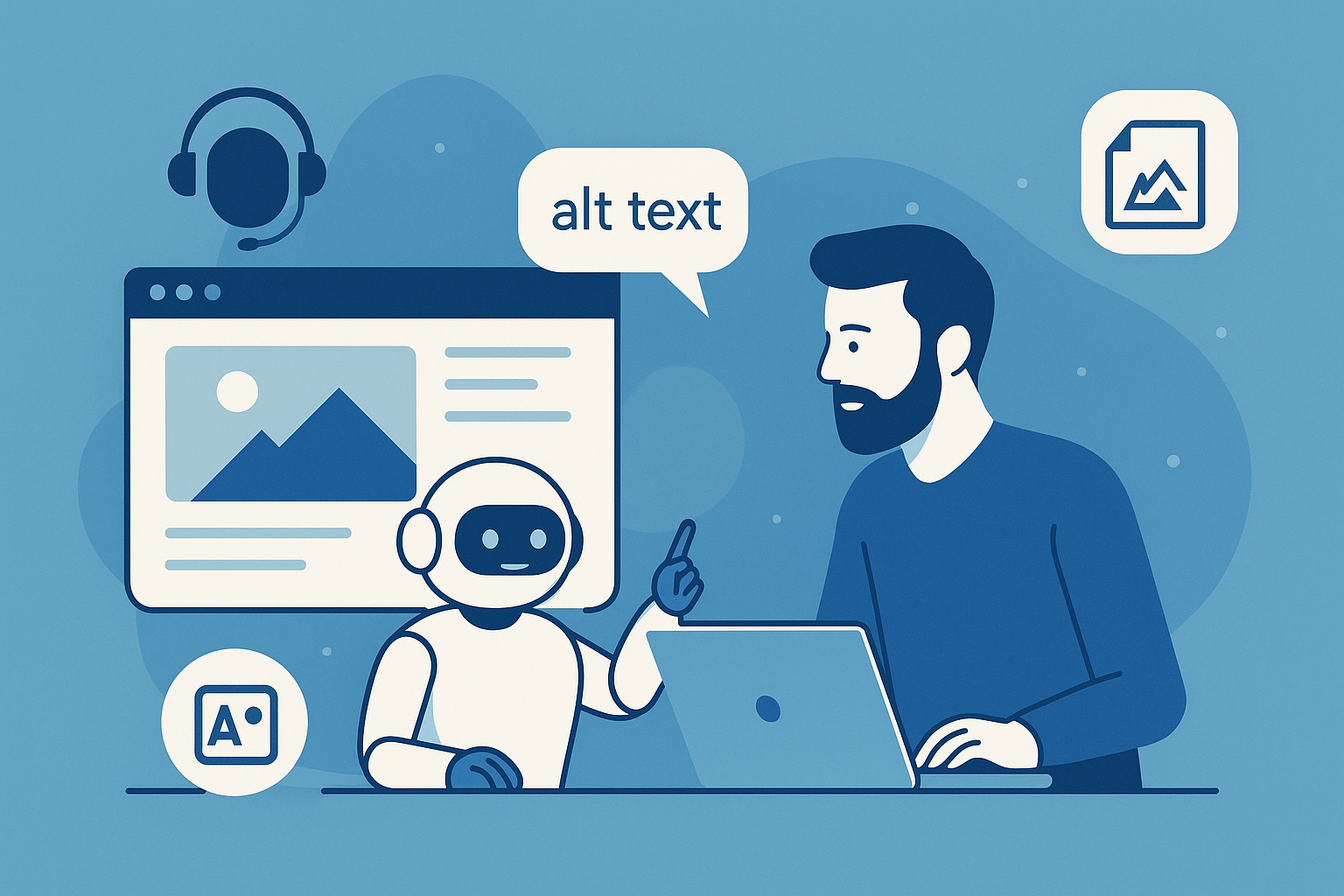
Implementation Timeline for Describe Image AI in SEO
Adopting describe image AI for SEO isn’t an overnight switch; it’s a strategic evolution that can deliver immediate gains while building long-term advantages.
- Short-Term (0-6 Months): Immediate Alt Text Enhancement: Focus on using the ‘describe image’ AI for new image uploads. Integrate AI tools directly into your content creation workflow to auto-generate high-quality, keyword-rich alt text. Prioritise high-traffic pages and core product/service images for immediate uplift. This can lead to a 10-15% increase in image search visibility within the first few months.
- Mid-Term (6-18 Months): Bulk Optimisation & Content Audits: Begin retroactively applying the described image AI to existing image libraries. Prioritise images on key landing pages, blog posts, and e-commerce product pages. Conduct a comprehensive image content audit to identify gaps and leverage AI for bulk alt text generation and optimisation. This phase often involves integrating AI with CMS platforms like WordPress or Shopify for scaled deployment.
- Long-Term (18+ Months): Advanced Semantic Indexing & User Experience: Implement AI for more nuanced image understanding across your site. This includes dynamic image captioning, rich structured data generation (e.g., ImageObject schema with detailed descriptions), and even personalised image recommendations. The goal is to move beyond basic alt text to a fully semantically indexed visual content ecosystem that enhances accessibility and user engagement across the board. By 2025, over 30% of enterprise digital marketing teams are projected to utilise AI for advanced image SEO beyond simple alt text generation.
Step-by-Step Adoption Process for Describe Image AI
Implementing descriptive image AI for SEO requires a structured approach to maximise its impact and integrate it seamlessly into your digital strategy.
Assess Current Image SEO & Identify Gaps
Begin by auditing your existing image content. Are you consistently using alt text? Is it descriptive and keyword-rich, or generic and often missing? Identify high-value images that are underperforming in search due to poor descriptions. This assessment informs where AI can deliver the most immediate impact.
Choose the Right Image Description AI Solution
Evaluate available AI tools and APIs. Consider factors like:
- Accuracy: How well does it describe complex scenes?
- Customisation: Can you fine-tune it for your brand’s specific vocabulary or product lines?
- Integration: Does it easily connect with your CMS, image editor, or workflow?
- Cost-effectiveness: What are the pricing models for different usage volumes?
Popular choices include services from Google, Amazon, Microsoft, or specialised tools like imgix or Cloudinary with integrated AI.
Integrate AI into Your Content Workflow
This is where automation takes centre stage.
- New Images: Set up your chosen AI tool to automatically generate an initial alt text draft immediately after an image is uploaded to your CMS. Train your content creators to review and refine this draft, adding brand-specific keywords or nuances.
- Existing Images: For bulk optimisation, use the AI tool to process batches of existing images. Develop a review process to ensure quality and relevance before pushing changes live.
Optimize and Refine AI-Generated Alt Text
AI-generated descriptions provide a powerful starting point, but human oversight is crucial.
- Keyword Integration: Ensure target keywords are naturally woven into the AI description.
- Contextual Relevance: Verify the description accurately reflects the image’s purpose within its surrounding content.
- Accessibility Adherence: Check that the alt text is concise while providing sufficient detail for visually impaired users.
- A/B Testing: For critical images, experiment with different AI-generated alt texts to see which performs best in image search metrics.
Monitor Performance & Iterate
Track the impact of your AI-driven alt text. Use Google Search Console (Image Search tab) and analytics tools to monitor:
- Image impressions and clicks.
- Ranking improvements for new keywords discovered through image search.
- User engagement with pages containing optimised images.
Based on this data, continually refine your AI prompts, review processes, and integration strategies to improve results.
Performance Metrics & Impact of Describe Image AI
Implementing describe image AI isn’t just about buzzwords; it delivers measurable improvements across several key performance indicators.
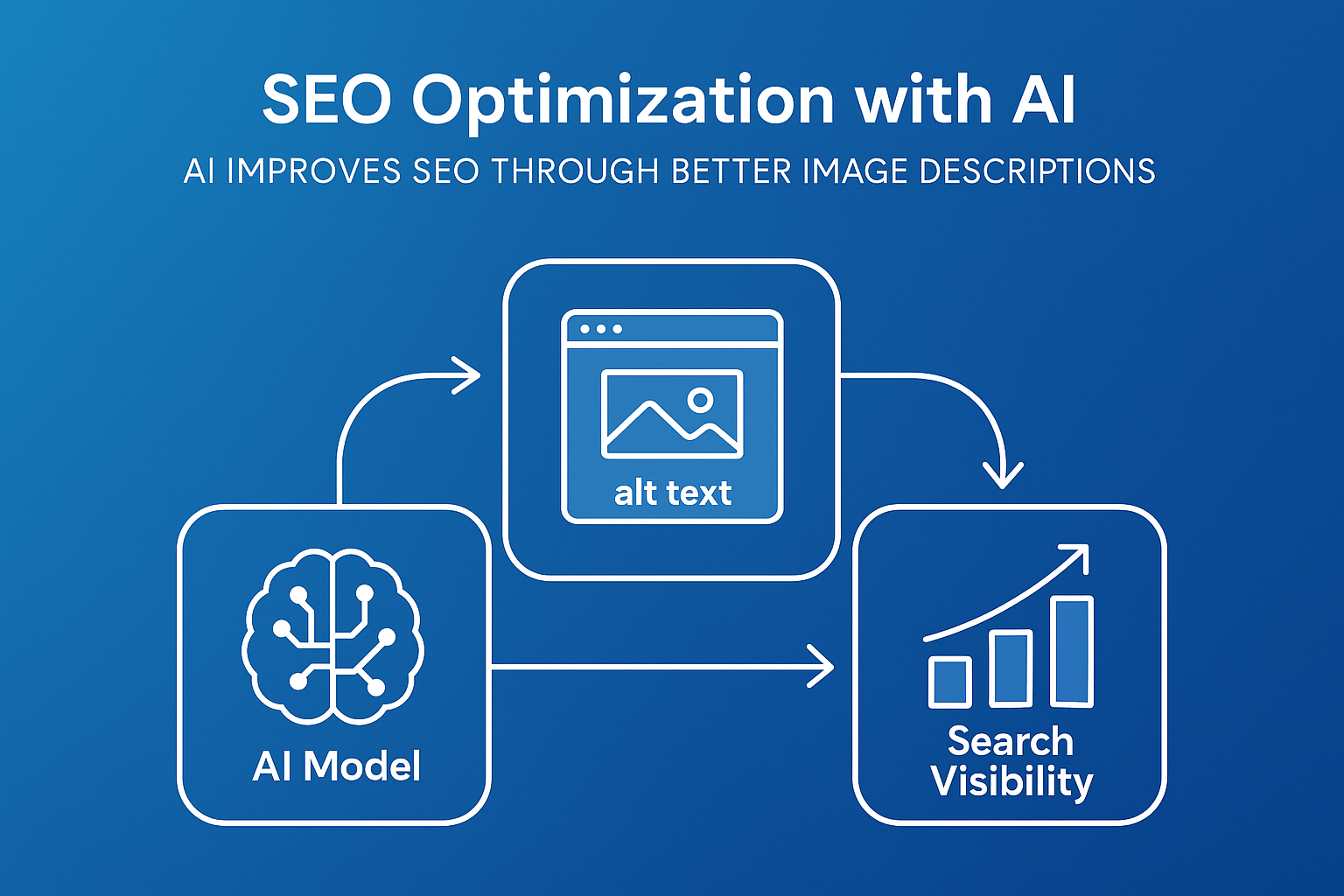
- Increased Image Search Visibility: By providing rich, accurate alt text, images become more discoverable in Google Images and other visual search engines. This can lead to a significant uplift in organic traffic. Websites with optimised images can see a 20-30% increase in image search impressions.
- Enhanced Organic Search Rankings (SERP): Search engines use alt text as a contextual clue for the entire page. Well-described images contribute to overall page relevance, helping posts rank higher for target keywords. Data suggests that pages with compelling image SEO elements often outperform those without.
- Improved Accessibility (WCAG Compliance): Alt text is fundamental for accessibility, allowing screen readers to describe images to visually impaired users. Describe image AI ensures that your website meets Web Content Accessibility Guidelines (WCAG) standards, expanding your audience and demonstrating inclusivity. Companies prioritising accessibility report a 2-5% increase in overall traffic from new user segments.
- Higher Click-Through Rates (CTR): When images appear in search results with relevant descriptions, users are more likely to click on them, leading to improved CTR from image-rich SERPs. This provides direct, targeted traffic to your content.
- Better User Experience (UX): Beyond accessibility, detailed image descriptions improve the overall user experience, especially when images fail to load or for users who simply prefer textual descriptions alongside visuals. A better UX often correlates with lower bounce rates and longer dwell times.
- Semantic SEO Depth: Describe how image AI provides explicit signals to search engines about the entities, themes, and concepts within your images, strengthening your semantic understanding and topical authority. This is crucial as search engines move towards more sophisticated, knowledge-graph-driven ranking.
Optimization Strategies
To truly maximise the power of the ‘describe image’ AI, consider these advanced optimisation strategies.
- Prompt Engineering for Alt Text: Don’t just accept default AI descriptions. Craft specific prompts for your AI tool to guide its output. For example: “Describe this image for an e-commerce product page, featuring keywords ‘sustainable activewear’ and ‘recycled fabric’.” Or “Generate alt text for a blog post on ‘Quantum Computing’, focusing on the ‘qubit’ concept.”
- Multilingual Alt Text Generation: If your website caters to a global audience, leverage AI to generate alt text in multiple languages. This significantly expands your reach in international image search results without manual translation overhead. Services like Google Cloud Translation API can be integrated with Describe Image AI.
- Integrating GPT-based APIs for Contextual Enhancement: Beyond basic image description, integrate advanced LLMs like GPT-4 to refine the AI’s output. Provide the AI with the surrounding page content and prompt it to generate alt text and captions that are SEO-optimised, highly contextual, and semantically aligned with the article’s theme.
- Structured Data (Schema Markup) for Images: Use the ‘describe image’ AI to enrich your ImageObject schema markup. Instead of just a URL and basic description, you can feed detailed AI-generated information into properties like… and even
about(citing entities within the image). This gives search engines an incredibly rich understanding of your visual content. - Dynamic Alt Text Generation (Conditional Logic): Implement logic that modifies AI-generated alt text based on context. For example, if an image is part of a product gallery, the alt text could include the product name and SKU. If it’s a social media share, it might be condensed to fit character limits.
- Automated Alt Text Audits: Use AI to periodically audit your existing alt text. The AI can identify generic or missing alt descriptions, flag potential keyword stuffing, or even suggest richer, more descriptive alternatives based on its analysis of the image and the surrounding content.
Use Cases & Industry Applications
Describe the image. AI is transforming how various industries leverage visual content for SEO and beyond.
- E-commerce & Retail:
- Alt Text for Product Images: Automatically generates descriptive alt text for thousands of product images, including brand names, product features, colours, and materials. This significantly boosts visibility in visual shopping searches (e.g., Google Shopping, Pinterest Lens).
- Dynamic Product Recommendations: Beyond SEO, AI identifies product attributes to power “shop the look” features or suggest similar items based on visual cues.
- Example: A major online fashion retailer reduced manual alt text creation by 80% using Describe Image AI, leading to a 15% uplift in image search traffic for new product launches.
- Publishing & Media:
- Enhancing Editorial Content: Journalists and bloggers can use AI to quickly generate alt text for news photos, infographics, and featured images, improving accessibility and search engine indexing for timely content.
- Image Licensing & Search: AI-powered descriptions make it easier for image repositories to accurately tag and categorise millions of photos, connecting buyers with relevant visuals.
- Example: A leading travel blog uses describe image AI to enrich its destination guides, creating detailed alt text for scenic photos, which has boosted its content’s visibility in image-focused travel planning searches.
- Healthcare & Scientific Research:
- Medical Imaging Descriptions: AI can assist in describing X-rays, MRIs, and microscopic images for archival purposes or research, enhancing data discoverability (with appropriate security and ethical considerations).
- Educational Materials: Provides detailed alt text for diagrams, charts, and illustrations in educational content, ensuring accessibility for all learners.
- Digital Marketing & Agencies:
- Client Campaign Optimisation: Agencies can offer advanced image SEO services to clients. AI tools allow them to quickly optimise images across multiple client websites, demonstrating clear ROI through improved organic visibility.
- Social Media Optimization: Beyond websites, describe image AI can generate compelling descriptions for social media images, improving discoverability and engagement on platforms like Instagram and Twitter.
- Accessibility & Assistive Technologies:
- Screen Reader Enhancement: Direct application of the ‘describe image’ AI means screen readers provide more accurate and helpful descriptions for visually impaired users.
- Personalised Content Delivery: Future applications could see AI dynamically adjusting image descriptions based on a user’s specific accessibility needs or preferences.
Common Pitfalls & How to Avoid Them
While image description AI offers immense potential, there are common mistakes that can hinder its effectiveness if not properly addressed.
- Over-reliance on Default AI Output:
- Pitfall: Simply accepting every AI-generated alt text without review or refinement. AI might provide generic descriptions (“A person standing in front of a building”) or miss crucial context that humans understand.
- How to Avoid: Establish a review process. Use AI as a drafting tool, not a final solution. Human editors should always check for accuracy, contextual relevance, and the natural inclusion of target keywords. Prompt engineering helps guide the AI to better initial output.
- Keyword Stuffing:
- Pitfall: Instructing the AI to jam too many keywords into the alt text, leading to unnatural, unreadable, and potentially penalised descriptions. (“Blue running shoes, the best running shoes comfortable running shoes for sale”)
- How to Avoid: Prioritise natural language and relevance. Focus on one or two primary keywords per image, and ensure the AI integrates them smoothly within a descriptive sentence. Google’s algorithms are sophisticated enough to understand natural language.
- Ignoring Contextual Relevance:
- Pitfall: Generating alt text that accurately describes the image itself but doesn’t align with the surrounding content or the page’s topic. An image of a laptop on a tech blog vs. a cooking blog has different contextual needs.
- How to Avoid: Feed the AI information about the surrounding text or the page’s theme. Many advanced AI solutions allow for contextual input, enabling more relevant descriptions. Human review is also key here.
- Neglecting Accessibility Nuances:
- Pitfall: Focusing solely on SEO keywords and overlooking the primary purpose of alt text: providing information for visually impaired users. Descriptions might be too short, too long, or devoid of necessary detail.
- How to Avoid: Train your review team (and the AI, through good prompts) on accessibility best practices. Alt text should be concise but informative, conveying the image’s purpose and content to someone who cannot see it. Avoid starting with “Image of…” or “Picture of…”.
- Underestimating Integration Challenges:
- Pitfall: Assuming AI tools will effortlessly plug into existing workflows without technical effort. Compatibility issues with CMS, image libraries, or custom platforms can arise.
- How to Avoid: Plan your integration carefully. Test thoroughly in a staging environment. If off-the-shelf solutions don’t fit, consider custom API development or using platforms that offer robust, pre-built integrations.
- Lack of Performance Monitoring:
- Pitfall: Implementing AI-generated alt text and then not tracking its impact on image search traffic, overall organic rankings, or user engagement.
- How to Avoid: Set up robust analytics. Monitor image performance in Google Search Console, track organic traffic from image searches, and perform regular audits to correlate AI implementation with improved metrics. Use data to iterate and refine your AI strategy.
Maintenance & Scalability Tips
Maintaining and scaling your ‘describe image’ AI strategy is crucial for long-term SEO success.
- Regular AI Model Updates & Retraining: AI models are constantly improving. Stay informed about updates to your chosen describe image AI service. Consider retraining custom models with new, relevant datasets (e.g., new product lines, specific industry jargon) to maintain accuracy and relevance. This ensures the AI continues to generate high-quality, up-to-date descriptions.
- Centralised Image Asset Management: Implement a Digital Asset Management (DAM) system that integrates seamlessly with your describe image AI tool. A DAM provides a central repository for all your images, making it easier to trigger AI analysis, store generated alt text, and manage versions across your entire digital presence. This is essential for scaling.
- Version Control for Alt Text: Treat alt text like any other piece of SEO content – it should have version control. As AI models improve or as your SEO strategy evolves, you might update alt text. Ensure your CMS or DAM explicitly tracks these changes, allowing you to revert if needed and understand the impact of different versions.
- Automated Audit & Quality Checks: Deploy AI-powered tools (or even your own describe image AI) to periodically audit your website’s alt text. These tools can identify missing alt text, detect potential keyword stuffing, or flag descriptions that are too generic, allowing for proactive maintenance.
- Scalable API Infrastructure: If you’re using AI APIs directly, ensure your infrastructure can handle the volume of requests. Design for scalability to avoid bottlenecks during peak content creation or large-scale retroactive optimisation projects. Use caching mechanisms where appropriate.
- Team Training & Best Practices Evolution: As AI capabilities advance, continuously train your content, SEO, and development teams on new best practices for leveraging describe image AI. Foster a culture of experimentation and provide clear guidelines for prompt engineering and human review.
- Monitor Search Engine Algorithm Changes: Google and other search engines continually refine how they evaluate images and textual context. Stay abreast of these changes to adapt your describe image AI strategy accordingly, ensuring ongoing compliance and effectiveness.
Conclusion
The era of merely decorative images is over. In today’s competitive digital landscape, every visual asset is a unique opportunity to enhance SEO, improve accessibility, and drive engagement. “Describe image AI” is not just a technological marvel; it’s an indispensable tool for content marketers, SEO professionals, and web developers aiming to stay ahead. By meticulously crafting descriptive, keyword-rich alt text, powered by advanced AI frameworks, you unlock unprecedented visibility in image search, bolster your core organic rankings, and significantly elevate the user experience for all. Embrace this transformative technology to build a truly semantically rich and accessible visual web. Don’t let your images be silent; let Describe Image AI be their voice, propelling your content to new heights.
Are you ready to transform your image SEO strategy with AI? Explore the leading ‘describe image’ AI solutions today and start optimising your visual content for the future of search!
FAQs
Q1: What is “describe image AI” in the context of SEO?
A1: Describe image AI refers to artificial intelligence systems that can analyse an image and generate a textual description of its content. For SEO, this output is primarily used to create accurate and keyword-rich alt text, captions, and structured data, making images more discoverable by search engines and accessible to users.
Q2: How does the ‘describe image’ AI improve alt text?
A2: It improves alt text by automatically generating highly accurate and detailed descriptions of image content, which humans often miss or simplify. This ensures alt text is rarely generic or missing, making images more relevant to search queries and providing better context for visually impaired users. It also helps integrate relevant keywords naturally.
Q3: Can the ‘describe image’ AI replace human-written alt text entirely?
A3: While the ‘describe image’ AI can generate highly effective alt text, it’s best viewed as a powerful assistant. Human oversight is crucial for ensuring contextual relevance, incorporating brand-specific language, refining for specific target keywords, and verifying compliance with accessibility standards (WCAG). AI provides an excellent draft, but human refinement adds the strategic layer.
Q4: Which AI tools are commonly used for image description AI?
A4: Leading tools include Google Cloud Vision AI, Amazon Rekognition, and Microsoft Azure Cognitive Services. Specialised platforms often integrate these or similar AI capabilities. These services offer APIs that can be integrated into content management systems, e-commerce platforms, and custom websites.
Q5: Is the ‘describe image’ AI expensive to implement?
A5: The cost varies greatly depending on the solution—whether it’s an API-based service (pay-per-use), a SaaS platform, or a custom-built integration. For small sites, costs can be minimal, while large enterprises optimising millions of images might incur significant but ROI-justified expenses. Evaluating volume and integration complexity is key.
Q6: How does descriptive image AI help with overall SEO beyond just images?
A6: By providing explicit textual descriptions for images, ‘describe image’ AI strengthens your overall page content’s semantic relevance. Search engines gain a deeper understanding of your page’s topic, which can boost rankings for related keywords, improve overall page authority, and contribute to a richer knowledge graph representation of your content.
Q7: What are the accessibility benefits of using Describe Image AI?
A7: The primary accessibility benefit is ensuring that screen readers can accurately convey the visual information of an image to blind or visually impaired users. By consistently generating descriptive alt text, AI tools help websites comply with critical Web Content Accessibility Guidelines (WCAG), making digital content inclusive for a broader audience.
Share this content:









1 comment